High Protein Diet for Weight Loss: A Complete Guide to Faster Fat Burning
High protein diet for weight loss has become one of the most effective and trusted ways to lose extra body fat while maintaining energy and muscle mass. Many people struggle with hunger during dieting. However, a protein-rich eating plan can make the process easier. Protein keeps you full for longer periods. As a result, you naturally eat fewer calories throughout the day.
Moreover, protein helps your body preserve lean muscle while losing fat. This matters because muscle supports a healthy metabolism. Therefore, maintaining muscle can help your body burn more calories even when you rest. In addition, protein requires more energy to digest compared to carbohydrates and fats. This process can slightly increase calorie burning.
Today, many nutrition experts recommend increasing protein intake for sustainable weight management. However, success depends on choosing the right foods and creating balanced meals. This guide explains everything you need to know about using protein for faster fat burning and better health.
Why High Protein Diet for Weight Loss Works So Well
Many diets fail because they leave people hungry and tired. However, High protein diet for weight loss works differently. Protein affects hunger hormones in a positive way. It reduces cravings and increases feelings of fullness.
As a result, many people naturally reduce their daily calorie intake without feeling deprived. Furthermore, protein helps stabilize blood sugar levels. Therefore, energy remains more consistent throughout the day.
Another important benefit involves metabolism. Your body uses more calories to process protein than it uses for carbohydrates or fats. Consequently, a higher protein intake may support greater calorie expenditure over time.
The Science Behind High Protein Diet for Weight Loss
Researchers have studied protein and weight management for many years. Their findings continue to support the benefits of High protein diet for weight loss.
Protein increases the production of hormones that signal fullness. At the same time, it lowers levels of hormones that trigger hunger. Therefore, many people feel satisfied with smaller portions.
Additionally, protein helps maintain muscle tissue during weight loss. Since muscle burns more calories than fat, preserving muscle supports long-term metabolic health. As a result, fat loss becomes more effective and sustainable.
How High Protein Diet for Weight Loss Reduces Hunger
Hunger often causes people to abandon healthy eating plans. Fortunately, High protein diet for weight loss directly addresses this challenge.
Protein digests more slowly than many other nutrients. Therefore, food remains in the stomach longer. This process helps create lasting fullness after meals.
Moreover, protein-rich meals can reduce the desire to snack between meals. Consequently, people often consume fewer calories without actively trying. Over time, this simple change can lead to significant weight loss results.
Best Foods for High Protein Diet for Weight Loss
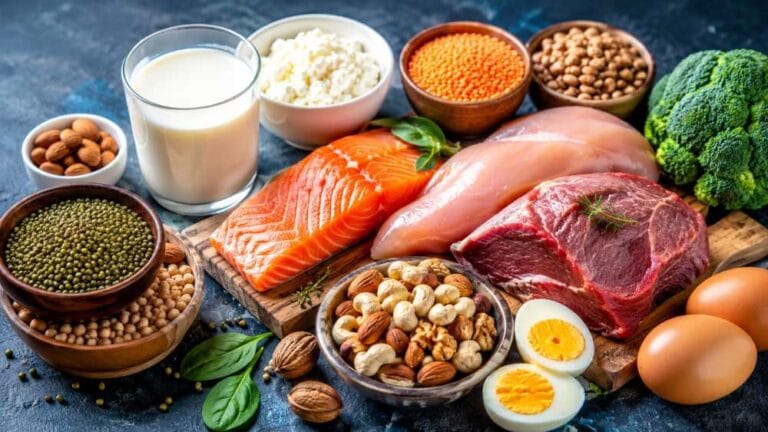
Choosing quality protein sources is essential for success. Lean meats such as chicken breast and turkey provide large amounts of protein with relatively few calories. Fish also offers excellent nutrition and supports overall health.
Eggs remain another popular choice because they provide complete protein and important nutrients. Additionally, Greek yogurt, cottage cheese, and low-fat dairy products can support daily protein goals.
Plant-based options also work well. Beans, lentils, tofu, edamame, and chickpeas provide protein along with fiber. Therefore, they help improve fullness and digestive health at the same time.
Creating Meals with High Protein Diet for Weight Loss
Meal planning plays a major role in achieving results. A successful High protein diet for weight loss includes protein at every meal.
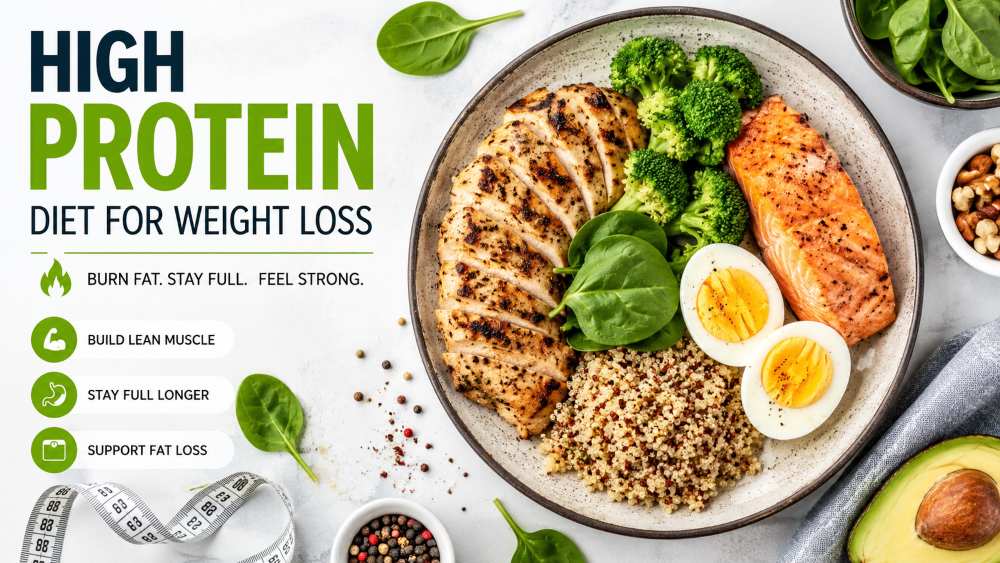
For breakfast, eggs with vegetables can provide a satisfying start. At lunch, grilled chicken with salad offers balanced nutrition. Dinner may include fish, vegetables, and a healthy carbohydrate source.
Meanwhile, healthy snacks such as Greek yogurt or protein-rich nuts can help manage hunger. As a result, energy stays stable and cravings remain under control throughout the day.
High Protein Diet for Weight Loss and Muscle Preservation
Many people lose muscle when they diet. However, High protein diet for weight loss helps reduce this problem.
When calorie intake decreases, the body may break down muscle for energy. Protein provides the building blocks needed to protect muscle tissue. Therefore, weight loss comes primarily from body fat instead of muscle.
This benefit becomes even more important when combined with strength training. Together, exercise and protein support a stronger and leaner body composition.
Common Mistakes in High Protein Diet for Weight Loss
Although protein offers many benefits, mistakes can limit progress. One common mistake involves relying on processed protein products. Many protein bars and shakes contain added sugar and unnecessary ingredients.
Another mistake occurs when people ignore overall calorie intake. Even healthy foods can contribute to weight gain when consumed in excess. Therefore, balance remains important.
Additionally, some individuals neglect vegetables and fiber. However, a healthy eating plan should include a variety of nutrient-rich foods for optimal health and long-term success.
Daily Protein Needs for High Protein Diet for Weight Loss
Protein requirements vary depending on age, body size, and activity level. However, most weight-loss programs recommend higher protein intake than standard diets.
Many experts suggest spreading protein evenly throughout the day. Therefore, each meal contributes to fullness and muscle support. Instead of consuming most protein at dinner, aim for balanced intake across breakfast, lunch, and dinner.
This strategy often improves appetite control and supports better energy levels throughout the day.
How High Protein Diet for Weight Loss Supports Fat Burning
Fat burning depends on creating a calorie deficit while preserving lean tissue. High protein diet for weight loss supports both goals.
First, protein increases fullness and reduces overeating. Second, it helps maintain muscle mass during weight reduction. Third, it requires more energy for digestion.
Together, these effects create an environment that supports efficient fat loss. Therefore, many people experience better results compared to lower-protein eating plans.
Breakfast Ideas for High Protein Diet for Weight Loss
Breakfast sets the tone for the rest of the day. Therefore, choosing protein-rich options can improve appetite control.
Egg omelets with vegetables provide protein and important nutrients. Greek yogurt with berries creates a simple and satisfying meal. Cottage cheese paired with fruit also offers an excellent combination of protein and flavor.
These choices help reduce mid-morning hunger. As a result, unhealthy snacking becomes less likely.
High Protein Diet for Weight Loss for Busy Lifestyles
Many people believe healthy eating requires extensive preparation. However, High protein diet for weight loss can fit into busy schedules.
Meal preparation helps save time during the week. Cooking protein sources in advance allows quick meal assembly later. Additionally, portable foods such as boiled eggs, yogurt, and protein-rich snacks support healthy choices on the go.
Therefore, even busy individuals can maintain consistent eating habits without major disruptions.
Combining Exercise with Protein Intake
Exercise and nutrition work best together. Protein supports muscle recovery after physical activity. Therefore, active individuals often benefit from higher protein consumption.
Strength training especially complements protein-rich eating plans. Building and maintaining muscle can improve body composition and metabolic health. Meanwhile, cardiovascular exercise supports calorie burning and heart health.
Together, these habits create a strong foundation for lasting weight management success.
Long-Term Benefits Beyond Weight Loss
Protein-rich diets offer advantages that extend beyond fat reduction. Stable energy levels can improve daily productivity. Better appetite control can reduce emotional eating patterns.
Additionally, maintaining muscle supports healthy aging. Strong muscles contribute to mobility, balance, and overall physical function. Therefore, protein intake remains important throughout life.
These benefits make protein-rich eating a valuable lifestyle approach rather than a temporary solution.
Healthy Habits That Improve Results
Consistency often matters more than perfection. Drinking enough water supports digestion and overall health. Getting adequate sleep also influences appetite regulation and weight management.
Furthermore, mindful eating encourages better food choices. Paying attention to hunger and fullness signals helps prevent overeating. Therefore, combining healthy habits with protein intake can significantly improve results.
Small improvements made consistently often produce the greatest long-term success.
Building a Sustainable Eating Plan
The best diet is one you can follow for the long term. Sustainability should always remain a priority. Therefore, flexibility matters.
Enjoying a variety of protein sources prevents boredom. Including favorite healthy foods improves satisfaction. Additionally, occasional treats can fit into a balanced lifestyle when consumed in moderation.
This approach reduces feelings of restriction and supports long-term adherence. As a result, healthy habits become easier to maintain.
Final Thoughts
High protein diet for weight loss offers a practical and science-backed approach to losing body fat while maintaining muscle and energy. It helps control hunger, supports metabolism, and encourages healthier eating habits. Furthermore, it fits many lifestyles and food preferences.
When combined with regular exercise, proper hydration, quality sleep, and balanced nutrition, protein can become a powerful tool for achieving lasting results. Most importantly, consistency creates success. Therefore, focus on gradual improvements and sustainable habits. Over time, these changes can help you reach your weight-loss goals while supporting overall health and well-being.