Weight Loss for Fatty Liver is one of the best ways to improve liver health and protect your body from future problems. Fatty liver develops when too much fat builds up inside the liver. Many people do not notice symptoms at first. However, the condition can become serious over time. The good news is that healthy habits can make a huge difference. A balanced diet, regular exercise, and proper sleep help reduce liver fat naturally. In addition, simple lifestyle changes often improve overall health. Many people see better energy levels and improved digestion after making these changes.
What Is Fatty Liver Disease?
Fatty liver disease happens when extra fat collects in liver cells. The liver plays an important role in digestion, metabolism, and detoxification. When fat levels rise, the liver cannot work at its best. Some people develop fatty liver because of alcohol use. Others get it from obesity, diabetes, or poor eating habits. In many cases, the disease progresses slowly. Even so, early action gives the best results. Healthy living remains the safest and most effective treatment for most people.
Why Weight Matters for Liver Health
Body weight has a direct effect on liver function. Extra body fat often increases fat storage inside the liver. As a result, inflammation may develop and damage liver cells. Losing even a small amount of weight helps lower liver fat. Moreover, healthy weight loss improves blood sugar and cholesterol levels. Doctors often recommend gradual changes instead of extreme diets. Slow and steady progress creates lasting results and protects overall health.
Common Causes of Fatty Liver
Several factors increase the risk of fatty liver disease. Obesity remains one of the main causes. In addition, people with diabetes face a higher risk because insulin resistance affects liver function. Poor eating habits also contribute to the problem. Foods high in sugar and unhealthy fats encourage fat storage. Lack of exercise makes the situation worse. Furthermore, stress and poor sleep may affect metabolism and increase the chance of developing fatty liver.
Signs and Symptoms You Should Know
Many people do not feel sick during the early stages of fatty liver disease. Still, some symptoms may appear over time. Fatigue is one of the most common signs. Some people notice discomfort on the right side of the abdomen. Others experience weakness or trouble concentrating. In severe cases, swelling and skin changes may occur. Therefore, regular health checkups are important. Early diagnosis allows people to start treatment before complications develop.
How Weight Loss for Fatty Liver Works
Doctors often recommend Weight Loss for Fatty Liver because it targets the main cause of the disease. Losing extra weight helps remove fat from liver cells. As liver fat decreases, inflammation also becomes lower. Consequently, liver function improves. Healthy weight loss also reduces the risk of diabetes and heart disease. Most experts suggest gradual progress instead of rapid changes. A realistic plan often brings better long-term success and helps people maintain healthy habits.
Set Realistic Weight Loss for Fatty Liver Goals
Many people want fast results. However, healthy progress takes time. Small goals often lead to bigger achievements. Losing one or two pounds each week is usually safe. This pace allows the body to adjust naturally. Besides that, gradual weight loss protects muscle mass and supports metabolism. Setting realistic goals also keeps motivation high. Instead of focusing only on the scale, people should celebrate healthy habits and daily improvements.
Eat More Fresh Vegetables
Fresh vegetables provide vitamins, minerals, and fiber. They help people feel full while consuming fewer calories. Green vegetables, carrots, tomatoes, and cucumbers are excellent choices. Moreover, vegetables support digestion and improve overall health. Eating colorful meals adds variety and encourages better nutrition. Many people find it easier to lose weight when vegetables become a regular part of their diet. Healthy eating habits often create lasting benefits for liver health.
Choose Healthy Protein Sources
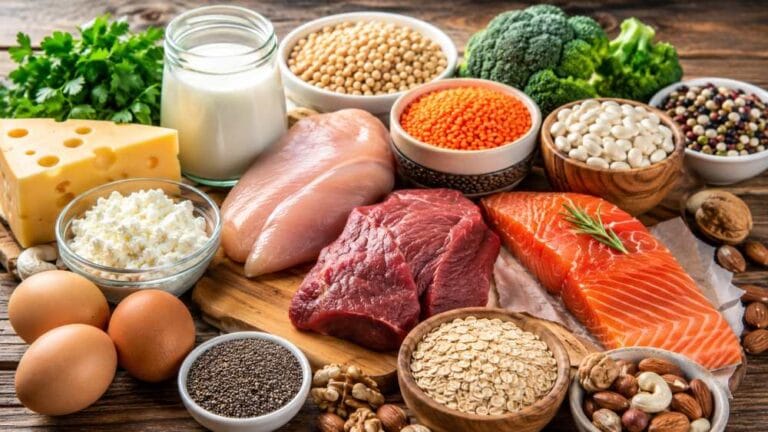
Protein helps maintain muscle and supports weight management. Lean chicken, fish, beans, and eggs provide high-quality protein. These foods help people stay full for longer periods. In contrast, processed meats often contain extra fat and salt. Choosing healthier options supports liver function and improves overall wellness. Additionally, balanced meals with protein and vegetables keep energy levels steady throughout the day.
Limit Sugar and Sweet Drinks
Sugar plays a major role in fatty liver disease. Sweet drinks often contain large amounts of added sugar. As a result, the liver converts extra sugar into fat. Soft drinks, energy drinks, and packaged juices may increase liver fat over time. Instead, people should drink water, herbal tea, or fresh lemon water. Reducing sugar intake often leads to better weight control and improved liver health. Small daily choices can create meaningful changes.
Benefits of Weight Loss for Fatty Liver
The benefits of Weight Loss for Fatty Liver extend far beyond the liver itself. Weight loss improves blood pressure and reduces cholesterol levels. In addition, many people notice better sleep and increased energy. Healthy weight also lowers the risk of diabetes and heart disease. Liver inflammation decreases as body fat drops. Consequently, people often feel stronger and more active. Long-term lifestyle changes provide lasting protection and improve overall quality of life.
Stay Active Every Day Weight Loss for Fatty Liver
Physical activity supports healthy weight loss and improves liver function. Walking remains one of the easiest exercises for beginners. Many people start with twenty or thirty minutes each day. Gradually, they increase the intensity as fitness improves. Cycling, swimming, and dancing also provide excellent benefits. Exercise burns calories and strengthens the heart. Furthermore, regular activity reduces stress and boosts mood. Staying active helps create a healthier lifestyle that lasts for years.
Drink Enough Water Weight Loss for Fatty Liver
Water supports nearly every function in the body. Proper hydration improves digestion and helps remove waste products. Drinking enough water may also reduce cravings for sugary drinks. Many people confuse thirst with hunger. Therefore, staying hydrated can help control calorie intake. Carrying a water bottle encourages healthy habits throughout the day. Consistent hydration supports weight loss and promotes better liver health.
Improve Sleep Quality
Good sleep plays an important role in maintaining a healthy weight. Poor sleep affects hormones that control hunger and appetite. Consequently, people may eat more than they need. Creating a regular bedtime routine helps improve sleep quality. Limiting screen time before bed may also help. In addition, a quiet and comfortable bedroom encourages deeper sleep. Better rest supports metabolism and helps the body recover from daily stress.
Reduce Stress Naturally
Stress affects both physical and mental health. High stress levels may lead to unhealthy eating habits and weight gain. Therefore, finding healthy ways to relax is important. Meditation, deep breathing, and gentle exercise often reduce stress. Spending time with family and friends also improves emotional health. Many people feel more motivated when stress becomes easier to manage. A calm mind often leads to healthier choices and better long-term results.
Why Patience Is Important
Many people expect immediate results. Yet healthy change takes time and effort. Consistency matters more than perfection. Some weeks bring faster progress, while others move slowly. Even so, small improvements add up over time. Staying patient helps people maintain healthy habits. In addition, focusing on overall health creates a positive mindset. Long-term success comes from daily choices that support both weight loss and liver health.
Foods to Avoid During Weight Loss for Fatty Liver
Choosing the right foods is important during Weight Loss for Fatty Liver. At the same time, avoiding harmful foods matters just as much. Fried foods often contain unhealthy fats that increase calories and put stress on the liver. Processed snacks usually contain too much salt and sugar. White bread, cakes, and candy may raise blood sugar quickly. Instead, people should choose whole foods that provide nutrients and fiber. Healthy eating habits support weight loss and help the liver heal naturally.
Build Healthy Habits for Life
Quick fixes rarely provide lasting results. Healthy habits create long-term success and improve overall wellness. Start with small changes and stay consistent every day. For example, prepare healthy meals at home and avoid skipping breakfast. Likewise, keep healthy snacks nearby to reduce unhealthy cravings. Over time, these simple habits become part of daily life. The body responds well to consistency, and the liver benefits from steady progress.
How Weight Loss for Fatty Liver Improves Energy Levels
Many people feel tired when they have fatty liver disease. Fortunately, Weight Loss for Fatty Liver often improves energy levels naturally. As body weight decreases, the liver works more efficiently. In addition, better nutrition provides the body with important vitamins and minerals. Regular exercise also improves circulation and increases stamina. Therefore, people often feel more active and motivated. Improved energy allows individuals to enjoy work, family time, and daily activities with greater enthusiasm.
The Role of Fiber in Liver Health
Fiber plays a major role in healthy digestion and weight management. Foods rich in fiber help people feel full for a longer time. As a result, they often eat fewer calories throughout the day. Fruits, vegetables, oats, and whole grains provide excellent sources of fiber. Moreover, fiber supports healthy blood sugar levels and improves digestion. Adding more fiber gradually can make healthy eating easier and more enjoyable. A fiber-rich diet supports both weight loss and liver function.
Exercise Tips for Better Results
Exercise does not need to be difficult. The most important step is to stay consistent. Walking remains one of the best options because it is simple and safe. Some people enjoy cycling or swimming, while others prefer yoga or light strength training. Variety keeps exercise interesting and helps people stay motivated. In addition, exercising with friends or family can make the experience more enjoyable. Regular movement strengthens the body and supports healthy liver function.
Medical Checkups and Monitoring
Regular medical checkups help people understand their liver health. Doctors may recommend blood tests or imaging tests to monitor progress. These tests provide useful information about liver function and overall wellness. In many cases, people feel encouraged when they see improvements in their results. Moreover, healthcare professionals can provide advice that matches individual needs. Staying informed helps people make better decisions and remain focused on their goals.
Common Mistakes During Weight Loss for Fatty Liver
Many people make mistakes while trying Weight Loss for Fatty Liver. Some choose very strict diets that are difficult to follow. Others skip meals and feel hungry later in the day. As a result, they may overeat unhealthy foods. Another common mistake involves expecting fast results. Healthy progress requires patience and consistency. Instead of searching for quick solutions, people should focus on balanced meals, regular exercise, and realistic goals. Sustainable habits create the best outcomes.
Stay Motivated Throughout the Journey
Motivation changes from time to time. Therefore, building strong habits becomes essential. Keeping a journal may help track progress and celebrate small achievements. Some people enjoy taking photos to compare their results over time. Others find support from family members or online communities. Positive encouragement often increases confidence and keeps people moving forward. Even when progress feels slow, every healthy choice contributes to a stronger and healthier future.
Long-Term Benefits of Healthy Living
Healthy living offers benefits that extend far beyond weight loss. People often experience better heart health and improved blood sugar control. In addition, healthy habits support mental well-being and reduce stress. Better nutrition provides more energy and improves daily performance. Regular exercise strengthens muscles and promotes better sleep. These improvements create a healthier lifestyle that supports the liver and protects overall health for many years.
Final Thoughts on Weight Loss for Fatty Liver
Weight Loss for Fatty Liver offers a natural and safe path toward better health. The journey may take time, yet every positive step makes a difference. Healthy eating, regular exercise, proper sleep, and stress management work together to improve liver function. Furthermore, small changes often lead to lasting results when people remain consistent. There is no need for extreme methods or unrealistic goals. Instead, focus on steady progress and healthy habits. With patience, determination, and the right choices, anyone can improve liver health and enjoy a happier, healthier life.
Disclaimer:
This article is for informational and educational purposes only. It does not provide medical advice, diagnosis, or treatment. Always consult a qualified healthcare professional before making changes to your diet, exercise routine, or lifestyle, especially if you have fatty liver disease or other health conditions. Results may vary from person to person depending on age, health status, and individual circumstances. Never ignore professional medical advice because of information you read online.